
O le gbe laaye.
Májẹ̀mú Tuntun rọrùn: tẹ̀lé Ẹ̀mí, nífẹ̀ẹ́, kí o sì pa ẹ̀rí-ọkàn mímọ́ mọ́. Kò sí òfin mìíràn.

Ìtumọ̀ àkọlé, tí a fi ẹ̀rọ ṣe. Olùsọ̀rọ̀ ìbílẹ̀ kan ṣì ń ṣe àtúnyẹ̀wò rẹ̀, nítorí náà àwọn ọ̀rọ̀ kan lè má tọ̀nà.
Draft translation, pending review by a native speaker · Read in English
Mo ti ni ile ijọsin tẹlẹ
Ìjọ kì í ṣe ẹ̀ka ìsìn, bẹ́ẹ̀ ni kì í ṣe ẹ̀ka ìsìn. Ó jẹ́ ẹ̀ka ìsìn. Àwọn kan lára wa ní ìpìlẹ̀ tó lágbára ( Hébérù 6:1–2 ) àwọn mìíràn sì ní àwọn aláìlera ( Róòmù 15:20 ).
Májẹ̀mú Tuntun rọrùn: tẹ̀lé Ẹ̀mí, nífẹ̀ẹ́, kí o sì pa ẹ̀rí-ọkàn mímọ́ mọ́. Kò sí òfin mìíràn.
Ọlọ́run kan ṣoṣo ni Baba. Olúwa kan ṣoṣo ni Jésù Kristi, Ẹ̀mí kan náà sì ni Ẹ̀mí Mímọ́. Tí o bá mọ̀ bẹ́ẹ̀, o lè lóye Mẹ́talọ́kan ( Éfésù 4:4–6 ).
Ìrètí wa ni ìpadàbọ̀ Jésù láti ṣàkóso lórí ilẹ̀ ayé nínú ìjọba Ọlọ́run. A gbèrò láti fara dà á títí yóò fi fara hàn.
A gbọ́dọ̀ fi omi àti Ẹ̀mí Mímọ́ bamitísí rẹ kí o tó lè gbàlà kúrò nínú ẹ̀ṣẹ̀ àti ìdálẹ́bi. Má ṣe gbà fún ohunkóhun tí ó yàtọ̀ sí èyí.
Tí a bá dúró ṣinṣin nínú ẹ̀kọ́ àwọn Àpósítélì, ìbáṣepọ̀, bíbu àkàrà, àti àdúrà, a ti ṣe ohun tí ó yẹ. Ó jẹ́ àpẹẹrẹ fún Ìjọ ( Ìṣe 2:42 ).
Kí ni ìṣù àkàrà àti ẹja ní í ṣe pẹ̀lú wa?
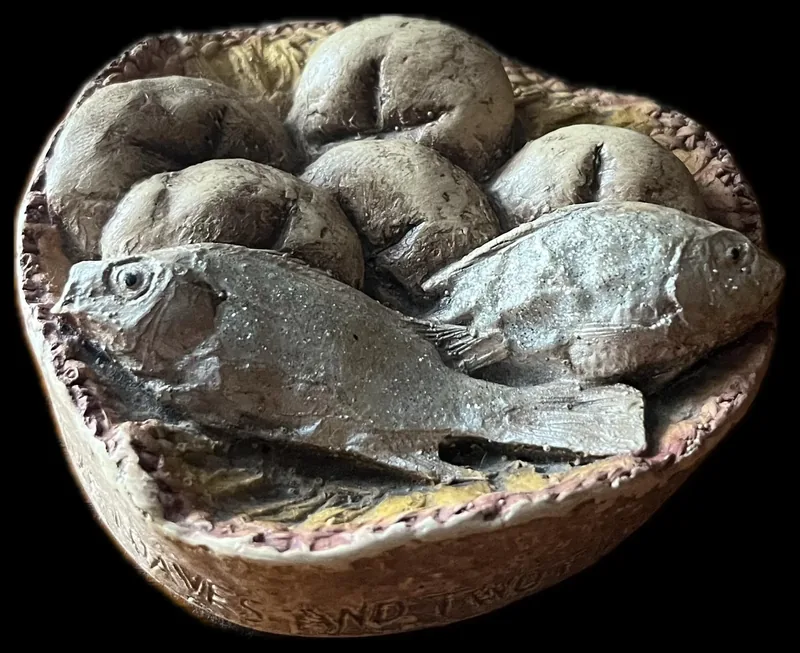
Ìgbà méjì tí Jésù sọ àkàrà àti ẹja di púpọ̀ Mátíù 14:19–21 · Mátíù 15:34–38
Kí ni Dáfídì fi sílẹ̀ fún Sólómọ́nì?
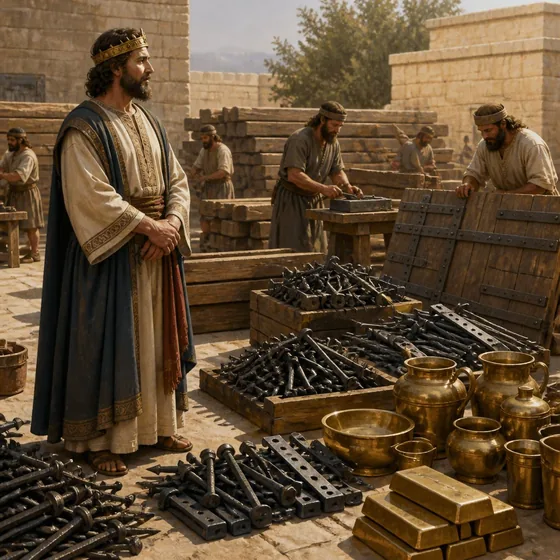
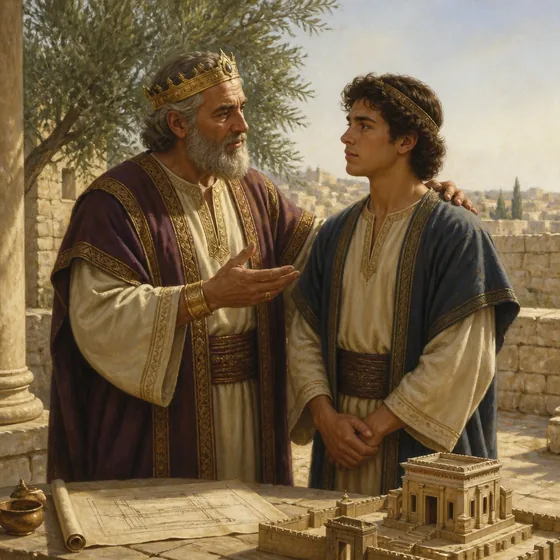
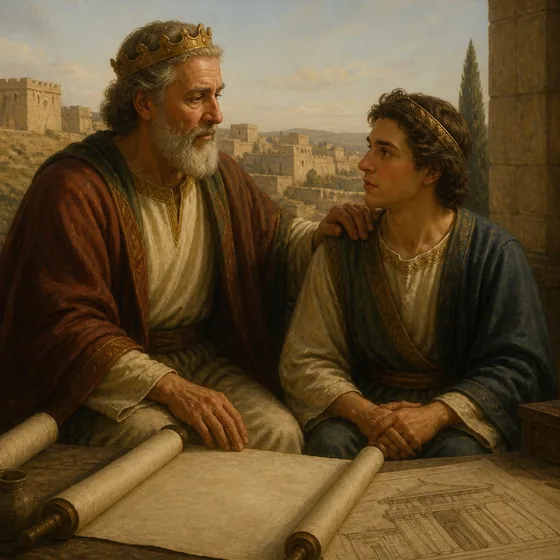
Àwọn ohun èlò tí Dáfídì pèsè àti àwòrán Tẹ́ḿpìlì tí ó fún Sólómọ́nì 1 Kíróníkà 22 · 1 Kíróníkà 28:11–19 · 1 Kíróníkà 29:2
Ara Kan
A jẹ́ ara pàtàkì ti Ẹgbẹ́ Kanṣoṣo, Ìjọ, níbikíbi tí a bá wà. Àwọn ènìyàn ń béèrè ohun tí a jẹ́, a sì ń sọ pé Kristẹni ni wá.
A ni ominira patapata ninu Ẹmi. A o gba ipe si eyikeyi ijọ, a si ni ominira lati ṣe iranṣẹ ni eyikeyi ijọ, nitori a n sin Oluwa Kanṣoṣo, Jesu.
A ṣí sílẹ̀ fún ìbáṣepọ̀, ìbáṣepọ̀, àti ìjíròrò. Tí o bá fẹ́ sọ̀rọ̀, a fẹ́ gbọ́.
Although many congregations deny the Bible, others maintain amazing strengths:
Tell us about the strengths of your congregation! Maybe you’re from the Brethren, Methodist, Lutheran, Presbyterian, or Church of God denominations. Let us know where your congregation is strong.
Bawo FIRM ń ṣiṣẹ́ pẹ̀lú ìjọ rẹ
Mẹ́talọ́kan, Ẹ̀kọ́ Kristi, Ẹ̀mí Mímọ́, àti àwọn àṣà tí a ń ṣe: ìtẹ̀bọmi àti Oúnjẹ Alẹ́ Olúwa.
A gbé gbogbo iṣẹ́ ìránṣẹ́ wa kalẹ̀ ní ilé, gẹ́gẹ́ bí Ìjọ àkọ́kọ́. Ojoojúmọ́ ni wọ́n ń bu oúnjẹ ní ilé wọn (Ìṣe 2:46). A tún àwọn ilé kọ́, a sì kọ́ Ìjọ náà.
A ṣe itọsọna fun olukuluku eniyan nipasẹ F-I-R-M, títí dé iṣẹ́ ìránṣẹ́ tí ó bá ẹ̀bùn rẹ mu, nínú ọ̀kan lára àwọn iṣẹ́ wa tàbí nínú ìjọ èyíkéyìí, nítorí pé Ara Kan ṣoṣo ló wà.
Two very important tasks
He takes its unity very seriously. If you do too, then we ask for your help. Here are two very important tasks:
Tí o bá rí pásítọ̀ kan tí ó ń wàásù àwọn méje Fundamentals (Hébérù 6:1–2), jọ̀wọ́, jẹ́ kí a mọ ẹni náà. O tilẹ̀ lè wá ọ̀kan lórí ayélujára. Ṣàyẹ̀wò “ìgbọ́ wọn.” Tiwa ni Fundamentals,“ẹ̀kọ́ àwọn aposteli” (Iṣe Awọn Aposteli 2:42).
Ṣe àfihàn pásítọ̀ kanTí o bá rí pásítọ̀ kan tí ó ń kọ́ àwọn Méje lẹ́kọ̀ọ́ Realities (Efesu 4:4–6), a fẹ́ mọ̀ wọ́n. Jọ̀wọ́, jẹ́ kí a mọ̀ wọ́n ní kíákíá. A lè bá wọn ṣiṣẹ́. Ó jẹ́ ìpìlẹ̀ ìṣọ̀kan wa pẹ̀lú àwọn ìjọ mìíràn.
Ṣe àfihàn pásítọ̀ kan“Nítorí náà ará, ẹ dúró ṣinṣin, kí ẹ sì di àwọn ẹ̀kọ́ wọ̀n-ọn-nì tí a kọ́ yín mú, yálà nípa ọ̀rọ̀ ẹnu tàbí lẹ́tà.”
2 Tẹsalonika 2:15 · Bíbélì Mímọ́ Yorùbá Òde Òn
Ṣé o fẹ́ bá ara rẹ sọ̀rọ̀? A ṣí sílẹ̀ fún ìbáṣepọ̀, ìbáṣepọ̀, àti ìjíròrò. Ṣé o fẹ́ ṣe àwárí ìgbàgbọ́ fún ìgbà àkọ́kọ́? Bẹ̀rẹ̀ níbẹ̀ dípò bẹ́ẹ̀.
